Design System/UX Design

Alter Domus

Duration: June 2025 - Nov 2025 Role: UX/UI Designer Team: Design System Team

Taking the updated Design System, the Client Dashboard was modernized with a new look and feel using the Components and established Tokenization which result on a improved user-centric experience.​

Context

Alter Domus, a global financial services company, wanted to unify the design across internally built and newly acquired products through the implementation of design tokens. Once the Design Systems expert standardized the foundation, I ensured everything was implemented consistently and as intended.

Workflow

1. Use Figma Components and Tokenize Design System

Taking the DSM foundations file,

applied the typography styles and

design tokens across all

components. Meanwhile, we also

audited existing components

to ensure accessibility, consistent

spacing, and atomic structure.

2. Implement Design System in Storybook

Taking the Foundations and Components

file, the Development team implemented

the components to be a hosted design

system in Storybook. This allows any and

all applications Alter Domus builds to

utilize the same component library

hosted in Storybook.

Creative QA

Verify that design components are implemented as intended, review responsiveness and consistency, ensure visual details and give feedback for technical accuracy and creative quality for a pixel-perfect client.
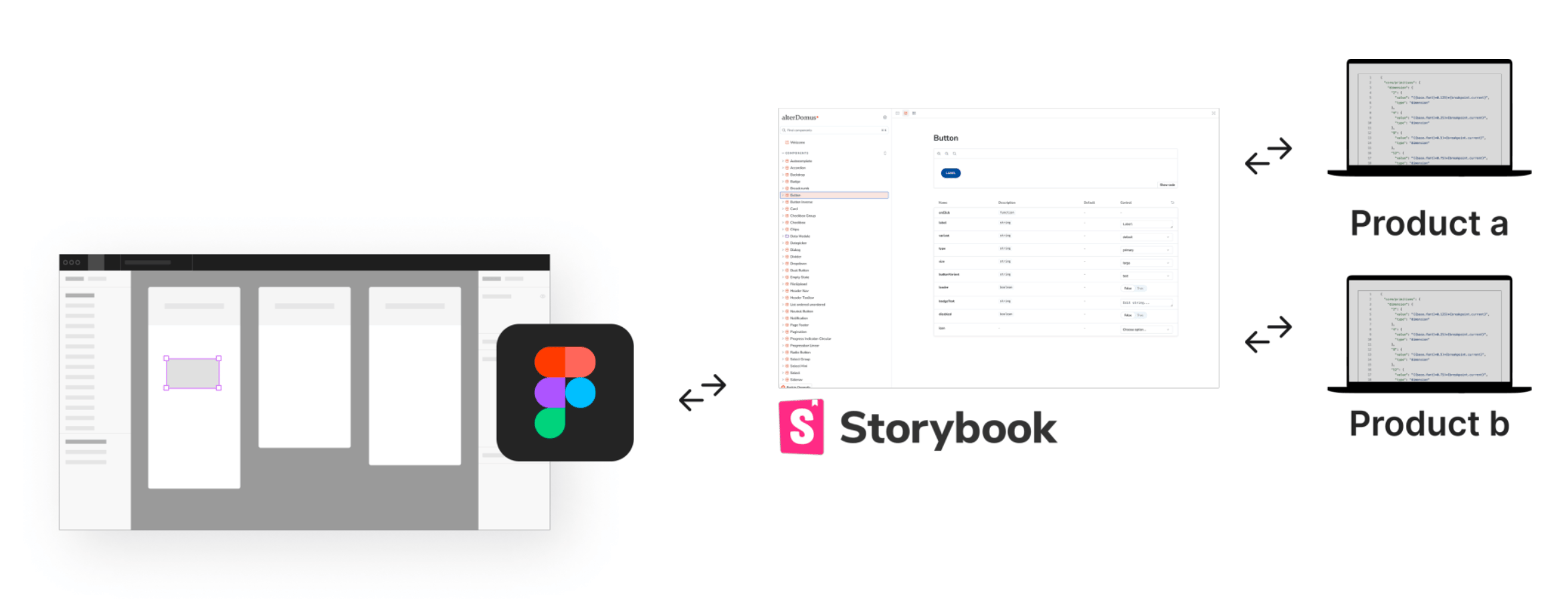
Design System to Development: Figma + Storybook = Product
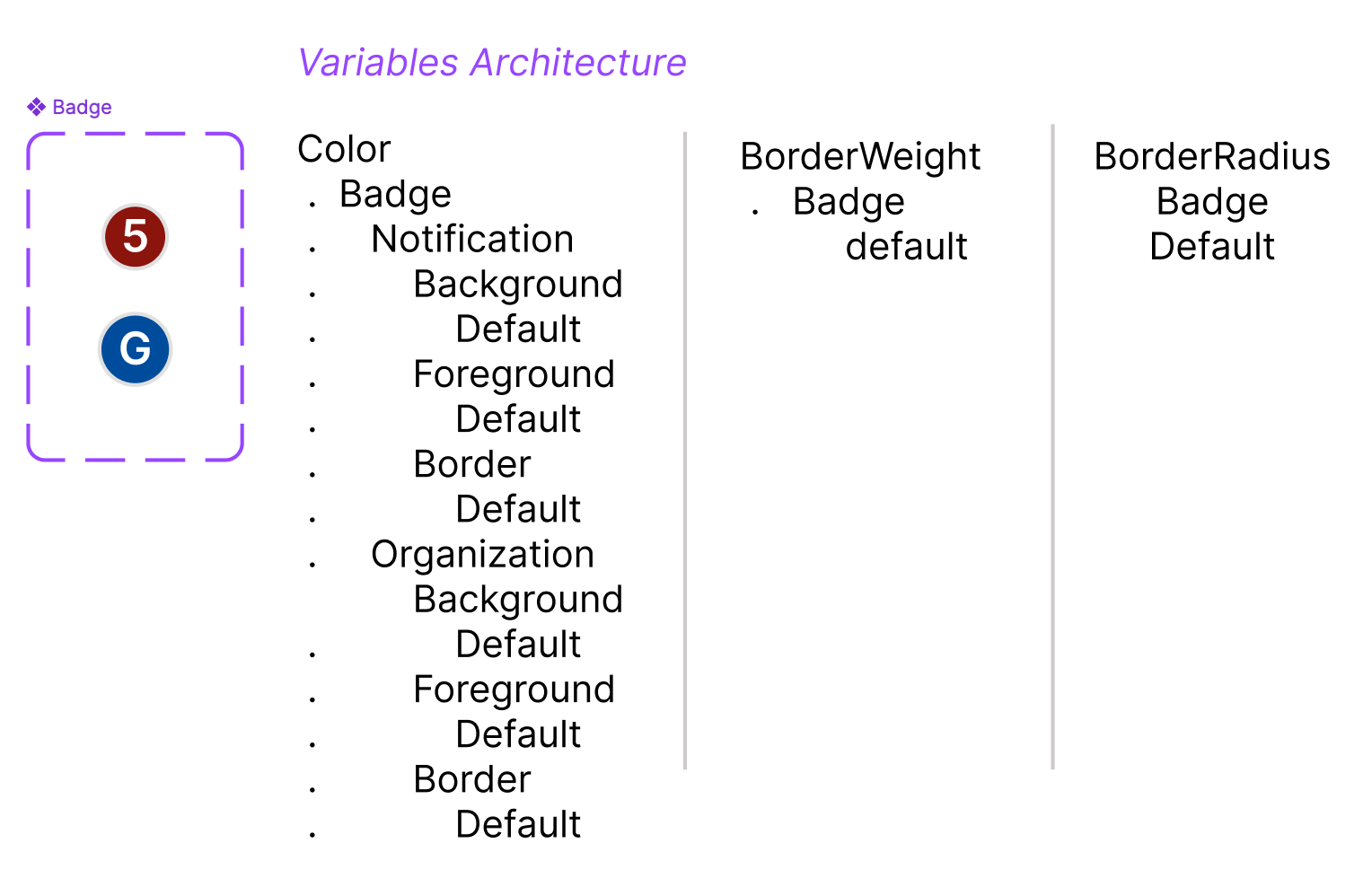
Taking the Foundations and Components file, Development team implemented the components to be a hosted design system in Storybook.
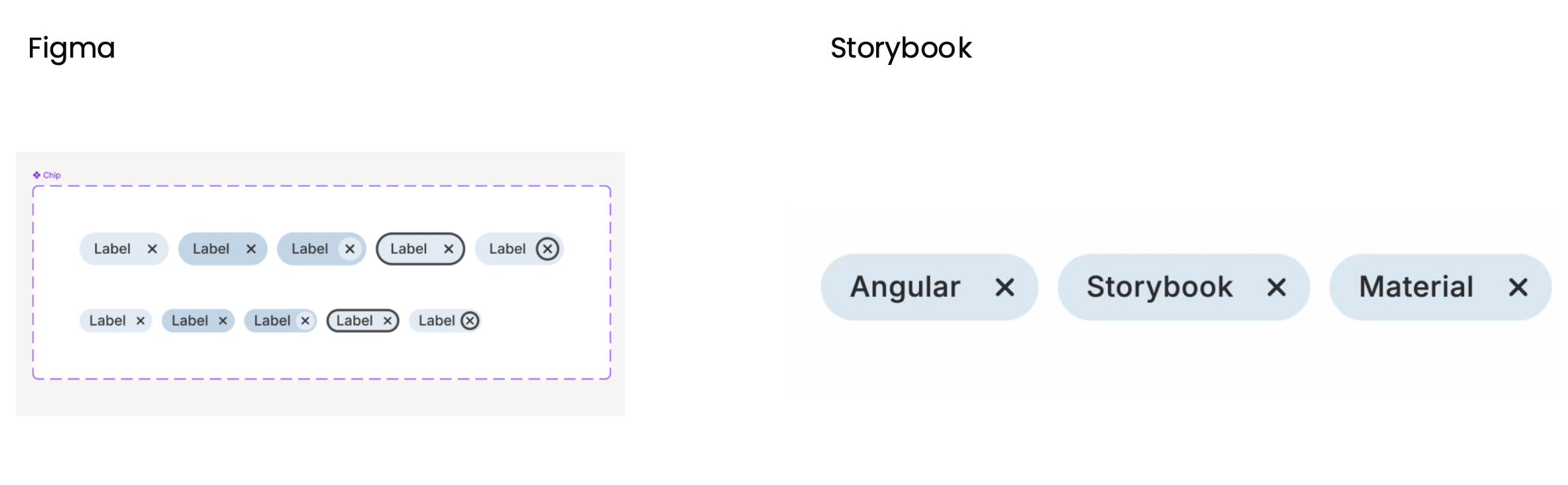
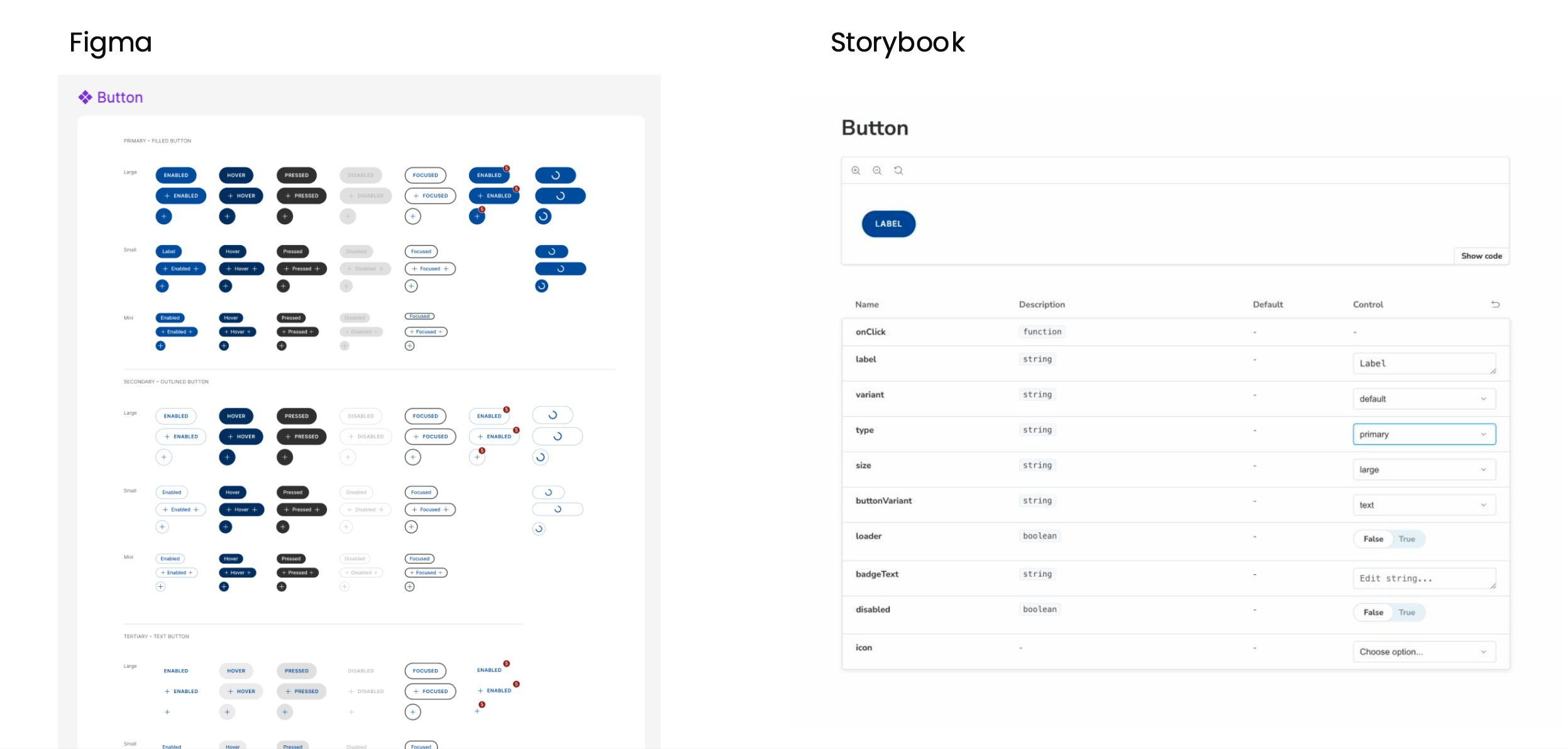
I ensured that the components were implemented according to the design, provided feedback to developers, and handled the handoff to the client.

© Sharon Mendoza 2026 All Rights Reserved

Selected brand visuals and product references belong to their respective owners

and are displayed solely for portfolio presentation purposes.

Design System/UX Design

Alter Domus

Duration: June 2025 - Nov 2025 Role: UX/UI Designer Team: Design System Team

Taking the updated Design System, the Client Dashboard was modernized with a new look and feel using the Components and established Tokenization which result on a improved user-centric experience.​

Workflow

1. Use Figma Components and Tokenize Design System

Taking the DSM foundations file, applied the typography styles and

design tokens across all components. Meanwhile, we also audited existing components to ensure accessibility, consistent spacing, and atomic structure.

2. Implement Design System in Storybook

Taking the Foundations and Components file, the Development team implemented

the components to be a hosted design system in Storybook. This allows any and

all applications Alter Domus builds to utilize the same component library hosted in Storybook.

Creative QA

Verify that design components are implemented as intended, review responsiveness and consistency, ensure visual details and give feedback for technical accuracy and creative quality for a pixel-perfect client.

Design System to Development: Figma + Storybook = Product

The Project

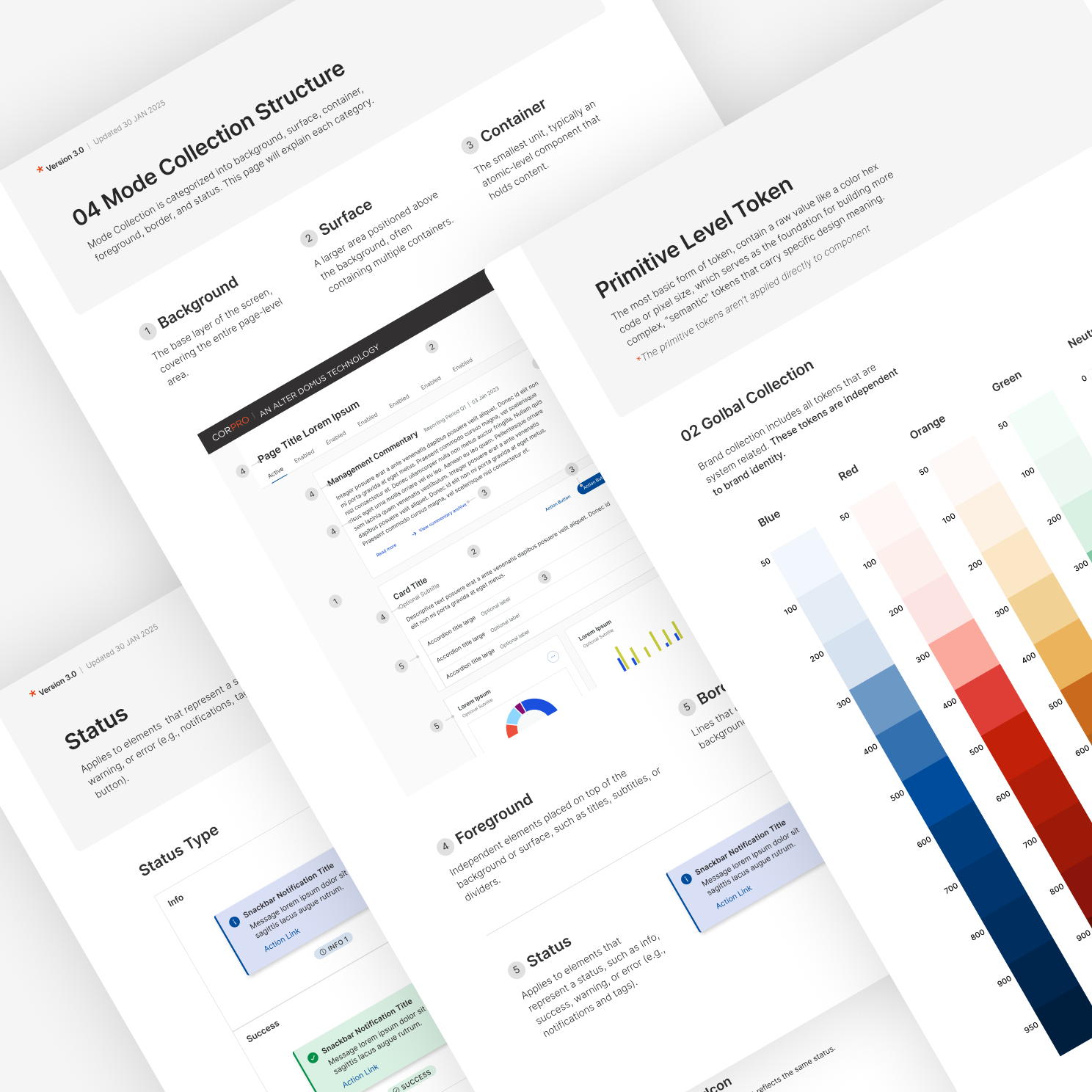
The existing DSM Foundations was lacking cohesiveness and was missing some key elements that designers were needing. Photon design team conducted a typography audit to create scalable and flexible typography styles.

They implemented their colors, weights and radious as design tokens using Figma Variables.This document outlines the technical stack and architectural approach for implementing UI tokenization in a frontend application using Angular Material UI with Storybook. The solution will focus on scalability, maintainability, and reusability while ensuring a consistent UI experience across different platforms.

Taking the Foundations and Components file, Development team implemented the components to be a hosted design system in Storybook.

I ensured that the components were implemented according to the design, provided feedback to developers, and handled the handoff to the client.

© Sharon Mendoza 2026 All Rights Reserved

Selected brand visuals and product references belong to their respective owners

and are displayed solely for portfolio presentation purposes.

Design System/UX Design

Alter Domus

Duration: June 2025 - Nov 2025 Role: UX/UI Designer Team: Design System Team

Taking the updated Design System, the Client Dashboard was modernized with a new look and feel using the Components and established Tokenization which result on a improved user-centric experience.​

Context

Alter Domus, a global financial services company, wanted to unify the design across internally built and newly acquired products through the implementation of design tokens. Once the Design Systems expert standardized the foundation, I ensured everything was implemented consistently and as intended.

Workflow

1. Use Figma Components and Tokenize Design System

Taking the DSM foundations file,

applied the typography styles and

design tokens across all

components. Meanwhile, we also

audited existing components

to ensure accessibility, consistent

spacing, and atomic structure.

2. Implement Design System in Storybook

Taking the Foundations and Components

file, the Development team implemented

the components to be a hosted design

system in Storybook. This allows any and

all applications Alter Domus builds to

utilize the same component library

hosted in Storybook.

  1. Creative QA

Verify that design components are implemented as intended, review responsiveness and consistency, ensure visual details and give feedback for technical accuracy and creative quality for a pixel-perfect client.

Design System to Development: Figma + Storybook = Product

The Project

The existing DSM Foundations was lacking cohesiveness and was missing some key elements that designers were needing. Photon design team conducted a typography audit to create scalable and flexible typography styles.

They implemented their colors, weights and radius as design tokens using Figma Variables.There was a technical stack and architectural approach for implementing UI tokenization in a frontend application using Angular Material UI with Storybook. The solution focused on scalability, maintainability, and reusability while ensuring a consistent UI experience across different platforms.

Taking the Foundations and Components file, Development team implemented the components to be a hosted design system in Storybook.

I ensured that the components were implemented according to the design, provided feedback to developers, and handled the handoff to the client.